
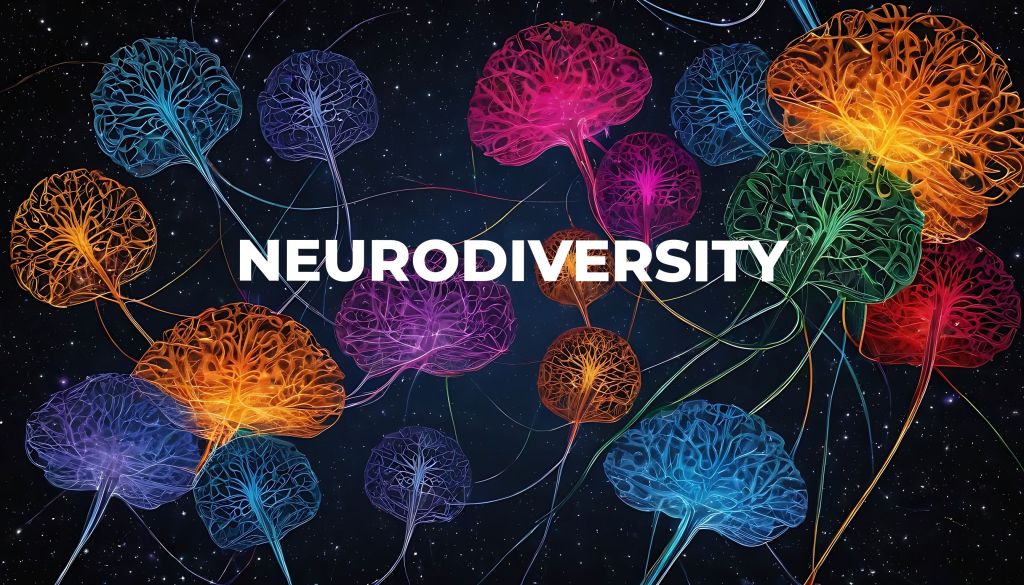
In a world that constantly seeks to define and normalize what is considered “normal,” it’s crucial to recognize and celebrate the beauty of diversity in all its forms. One realm of diversity that has been gaining recognition and understanding in recent years is neurodiversity. This paradigm shift challenges the traditional perspective on neurological conditions, urging us to view them not as disorders to be fixed, but as unique variations of the human mind.
What is Neurodiversity?
At its core, neurodiversity is a concept that acknowledges and respects the natural diversity of neurological conditions present in the human population. From Autism Spectrum Disorders (ASD) to Attention Deficit Hyperactivity Disorder (ADHD), dyslexia, and beyond, the neurodiversity movement advocates for a shift away from pathologizing these differences. Instead, it encourages a celebration of the rich tapestry of minds that contribute to the intricate mosaic of humanity.
II. Understanding Neurodiversity
Delving deeper into neurodiversity requires an exploration of various neurological conditions. From the unique characteristics of ASD to the challenges and strengths associated with ADHD, each condition brings a distinctive perspective to the human experience. It’s time to move beyond stereotypes and misconceptions, embracing a more nuanced understanding of neurodivergent individuals.
II. Understanding Neurodiversity
Neurodiversity is a concept that invites us to explore the vast landscape of neurological conditions that shape the human experience. It goes beyond a mere acknowledgment of differences and urges us to delve into the intricacies of each condition, understanding the unique perspectives and characteristics they bring to the table.
A. Exploring Different Neurological Conditions
- Autism Spectrum Disorders (ASD):
- Autism, often misunderstood, is a spectrum encompassing a wide range of characteristics and challenges. It is not a one-size-fits-all condition, and individuals with ASD display diverse strengths and abilities. Some may excel in areas such as mathematics, music, or art, showcasing the richness of neurodiversity within the spectrum.
- Attention Deficit Hyperactivity Disorder (ADHD):
- ADHD challenges the traditional notions of attention and focus. Rather than viewing it solely as a deficit, neurodiversity encourages us to recognize the heightened creativity, hyperfocus, and unique problem-solving skills often associated with ADHD. By understanding these traits, we can better appreciate the contributions of neurodivergent individuals in various fields.
- Dyslexia:
- Dyslexia, a condition affecting reading and language processing, highlights the diversity of cognitive abilities. Neurodiversity reframes dyslexia as a distinctive way of thinking, emphasizing strengths in areas such as spatial reasoning, creativity, and holistic thinking. By fostering a supportive environment, individuals with dyslexia can flourish in their unique capacities.
- Tourette Syndrome:
- Tourette Syndrome is characterized by involuntary movements and vocalizations. Embracing neurodiversity in the context of Tourette Syndrome involves challenging stereotypes and understanding the individual behind the condition. Many individuals with Tourette’s possess talents and skills that contribute positively to society, dispelling misconceptions surrounding this neurological variation.
- Other Conditions:
- Neurodiversity extends beyond the mentioned conditions to encompass a wide array of neurological differences. From dyspraxia to sensory processing disorders, each condition adds a layer to the rich tapestry of human neurodiversity. Recognizing and appreciating this diversity is a crucial step toward building an inclusive and empathetic society.
B. The Neurodiversity Paradigm
- Rejecting the idea of ‘normal’:
- The neurodiversity paradigm challenges the notion of a single, standardized norm for human cognition. Instead of viewing neurological conditions as deviations from a supposed norm, it encourages a shift towards accepting and appreciating the diversity of cognitive styles and abilities present in the human population.
- Celebrating neurological differences as part of human diversity:
- Embracing neurodiversity means celebrating the unique strengths and perspectives that arise from neurological differences. It encourages a move away from a deficit-based model to one that recognizes the inherent value and contributions of neurodivergent individuals to our collective understanding and progress.
In this exploration of different neurological conditions and the neurodiversity paradigm, we lay the foundation for a more nuanced and empathetic understanding of the diverse ways in which minds operate. As we move forward, we’ll delve into the challenges faced by neurodivergent individuals and the transformative benefits that neurodiversity brings to our society.
III. Challenges Faced by Neurodivergent Individuals
Embracing neurodiversity necessitates an honest exploration of the challenges that neurodivergent individuals encounter in their daily lives. From social stigma to systemic barriers in education and employment, understanding and addressing these challenges are crucial steps toward fostering a more inclusive society.
A. Social Stigma and Misconceptions
- Common Myths about Neurodivergent Individuals:
- Myth 1: Lack of Intelligence:
- Reality Check: Neurodivergent individuals often possess unique intellectual abilities. By highlighting success stories and achievements within the neurodivergent community, we challenge the myth that associates neurodivergence with diminished intelligence.
- Breaking Stereotypes: Personal narratives play a powerful role in dismantling these myths. Sharing stories of neurodivergent individuals excelling in academia, arts, and sciences reshapes perceptions and encourages a more accurate understanding of cognitive diversity.
- Myth 2: Lack of Empathy:
- Rich Emotional Lives: Neurodivergent individuals frequently experience emotions deeply and authentically. Debunking the myth of empathy deficits involves showcasing the emotional richness and empathy that exist within the neurodivergent community.
- Humanizing Narratives: Personal narratives that delve into the emotional lives of neurodivergent individuals humanize their experiences, challenging misconceptions and fostering empathy among the wider population.
- Myth 1: Lack of Intelligence:
- The Impact of Stigma on Mental Health:
- Isolation and Alienation:
- Navigating Social Dynamics: Neurodivergent individuals may face challenges in navigating social dynamics, leading to feelings of isolation. Addressing this involves promoting inclusive social environments that encourage understanding and acceptance.
- Community Support: Establishing supportive communities where neurodivergent individuals can connect with others who share similar experiences provides a vital support system, mitigating the impact of social isolation.
- Isolation and Alienation:
B. Educational and Workplace Challenges
- Barriers in Traditional Learning Environments:
- Inflexible Teaching Methods:
- Diverse Learning Styles: Neurodivergent individuals often have diverse learning styles that may not align with traditional teaching methods. Advocating for educational practices that embrace flexibility and cater to different cognitive styles ensures an inclusive learning environment for all students.
- Teacher Training: Providing training for educators to recognize and accommodate diverse learning styles enhances their ability to create inclusive classrooms. This includes incorporating sensory-friendly approaches, varied assessments, and individualized support.
- Inflexible Teaching Methods:
- Creating Inclusive Workplaces:
- Neurodiversity Hiring Initiatives:
- Recognizing Unique Skills: Neurodivergent individuals bring unique skills and perspectives to the workplace. Implementing neurodiversity hiring initiatives involves recognizing and valuing these skills, fostering diversity of thought within organizational structures.
- Educating Employers: Raising awareness among employers about the benefits of neurodiversity and providing resources for understanding and accommodating neurodivergent employees contributes to creating more inclusive workplaces.
- Accommodations and Support:
- Sensory-Friendly Spaces: Designing sensory-friendly work environments accommodates neurodivergent individuals who may have sensitivities to certain stimuli. Creating quiet spaces and providing sensory tools can contribute to a more comfortable and productive workspace.
- Flexible Work Arrangements: Offering flexible work arrangements, such as remote work options or adjusted schedules, supports neurodivergent individuals in managing their unique needs. This flexibility enhances overall workplace satisfaction and productivity.
- Neurodiversity Hiring Initiatives:
Addressing the challenges faced by neurodivergent individuals requires a multifaceted approach that involves dispelling myths, fostering empathy, and restructuring both educational and workplace environments. In the following sections, we will delve into the transformative benefits of neurodiversity and practical strategies for promoting inclusivity and understanding.
IV. Benefits of Neurodiversity
As we navigate the challenges faced by neurodivergent individuals, it’s equally important to explore the transformative benefits that neurodiversity brings to our society. Far from being a burden, the unique perspectives and strengths of neurodivergent individuals contribute significantly to innovation, creativity, and the overall enrichment of our shared human experience.
A. Unique Perspectives and Skills
- Creativity and Innovation:
- Neurodivergent individuals often exhibit exceptional creativity and innovation. Their unique ways of thinking can lead to groundbreaking ideas and solutions that might not emerge in more conventional thought processes.
- Highlighting success stories of neurodivergent individuals in creative fields, such as art, design, and technology, showcases the immense creative potential within the neurodivergent community.
- Problem-Solving Abilities:
- Divergent thinking is a hallmark of neurodiversity, contributing to enhanced problem-solving abilities. The ability to approach challenges from unconventional angles can lead to more comprehensive and effective solutions.
- Illustrating examples of neurodivergent individuals excelling in problem-solving roles across various industries emphasizes the valuable contributions they bring to diverse fields.
B. Contributions to Society
- Temple Grandin (Autism Spectrum Disorder – ASD):
- Temple Grandin is a renowned animal behaviorist and professor with autism. Despite facing challenges in social communication, Temple has made significant contributions to the understanding of animal welfare and has designed humane livestock handling facilities. She is also a sought-after speaker and advocate for autism awareness.
- Sir Richard Branson (Dyslexia):
- The founder of the Virgin Group, Sir Richard Branson, has dyslexia. Despite struggling with traditional academic settings due to dyslexia, he developed innovative business strategies and built a vast empire encompassing music, airlines, and telecommunications. Branson is an example of how dyslexia can coexist with entrepreneurial brilliance.
- Howie Mandel (Attention Deficit Hyperactivity Disorder – ADHD):
- Howie Mandel is a Canadian comedian, actor, and television personality who has openly shared his experience with ADHD. Mandel has had a successful career in the entertainment industry, known for his stand-up comedy, acting roles, and as a judge on “America’s Got Talent.” Despite the challenges associated with ADHD, Mandel’s creativity, quick wit, and ability to connect with audiences have contributed to his enduring success. Mandel advocates for mental health awareness and serves as an inspiration to others with ADHD by demonstrating that it can coexist with a thriving and impactful career.
- Haley Moss (Autism Spectrum Disorder – ASD):
- Haley Moss, diagnosed with autism at an early age, is an attorney, artist, and autism advocate. She became the first openly autistic person to be admitted to the Florida Bar. Moss uses her platform to raise awareness about neurodiversity and promote inclusivity in the legal profession.
- Daryl Hannah (Autism Spectrum Disorder – ASD):
- Actress Daryl Hannah has spoken openly about her experiences with autism. Despite facing challenges in social situations, Hannah has had a successful career in Hollywood, starring in films like “Blade Runner” and “Splash.” She uses her platform to advocate for autism acceptance and understanding.
- Chris Packham (Asperger’s Syndrome):
- Chris Packham, a renowned naturalist and wildlife presenter, has Asperger’s Syndrome. His deep connection with nature and animals has fueled a successful career in broadcasting. Packham advocates for wildlife conservation and shares his journey to increase awareness about neurodiversity.
- Susan Boyle (Learning Disabilities):
- Susan Boyle, a Scottish singer, gained international fame after appearing on “Britain’s Got Talent.” Despite facing learning disabilities, Boyle’s powerful voice and resilience captured the hearts of millions. Her success challenges stereotypes and underscores the importance of recognizing diverse talents.
- John Elder Robison (Asperger’s Syndrome):
- John Elder Robison is an author, advocate, and neurodiversity activist with Asperger’s Syndrome. His memoir, “Look Me in the Eye,” provides insights into his life with Asperger’s. Robison works to increase understanding and acceptance of neurodivergent individuals.
These success stories demonstrate that neurodivergent individuals bring unique perspectives, talents, and contributions to various fields. By celebrating these achievements, we not only challenge stereotypes but also pave the way for a more inclusive and diverse society that recognizes and values the strengths of every individual, regardless of neurodivergence.
V. Neurodiversity Advocacy and Resources
As we celebrate the successes and unique perspectives of neurodivergent individuals, it’s crucial to delve into the realm of neurodiversity advocacy and explore available resources that promote inclusivity, understanding, and support.
A. Neurodiversity Advocacy Movements
- Global Neurodiversity Initiatives:
- Autism Acceptance Month: April is recognized globally as Autism Acceptance Month. This initiative, supported by organizations like Autism Speaks and the Autistic Self Advocacy Network (ASAN), aims to shift the focus from awareness to acceptance, encouraging understanding and appreciation for the diverse experiences of individuals on the autism spectrum.
- Neurodiversity Celebration Week: Neurodiversity Celebration Week, organized by neurodiversity advocates and educators, highlights the strengths and talents of neurodivergent individuals. The week-long event includes awareness campaigns, educational activities, and community engagement to celebrate neurodiversity in schools, workplaces, and communities.
- Neurodiversity in Media and Entertainment:
- #Activate4Autism: The #Activate4Autism campaign encourages authentic representation of neurodivergent individuals in media and entertainment. By raising awareness about the importance of accurate portrayals, this campaign seeks to challenge stereotypes and foster a more inclusive narrative.
- Autistic Not Weird: The “Autistic Not Weird” campaign, initiated by autistic advocate Chris Bonnello, focuses on dispelling myths and promoting positive portrayals of autism. Bonnello’s blog and online presence actively contribute to changing perceptions and advocating for neurodiversity in media.
B. Personal Narratives and Community Building
- Sharing Personal Experiences:
- Blogs and Memoirs:
- “Neurotribes” by Steve Silberman: Steve Silberman’s “Neurotribes” is a seminal work that explores the history of autism and challenges societal perceptions. The book serves as an enlightening resource for understanding neurodiversity.
- “The Reason I Jump” by Naoki Higashida: “The Reason I Jump” by Naoki Higashida, a non-verbal autistic author, provides profound insights into the mind of someone with autism. The memoir offers a unique perspective and has garnered widespread acclaim.
- Social Media Communities:
- Reddit – r/neurodiversity: The r/neurodiversity subreddit on Reddit is a vibrant community where neurodivergent individuals and allies share experiences, resources, and support. It serves as a platform for open discussions and fosters a sense of community.
- Twitter – #Neurodiversity: The #Neurodiversity hashtag on Twitter is a hub for discussions, awareness campaigns, and shared experiences. It connects individuals, advocates, and organizations dedicated to promoting neurodiversity and challenging societal norms.
- Blogs and Memoirs:
C. Resources for Education and Workplace Inclusivity
- Neurodiversity Training Programs:
- Educator Training:
- Neurodiversity in the Classroom: The “Neurodiversity in the Classroom” training program offers resources and strategies for educators to create inclusive learning environments. It addresses diverse learning styles and provides practical insights into supporting neurodivergent students.
- Workplace Training:
- JPMorgan Chase Autism at Work Program: JPMorgan Chase’s “Autism at Work” program is an exemplary initiative that includes neurodiversity training for employees. The program focuses on creating an inclusive workplace and supporting neurodivergent individuals throughout their careers.
- Educator Training:
- Job Placement Services for Neurodivergent Individuals:
- The Arc’s Autism Now: The Arc’s Autism Now program provides resources and support for job placement services for neurodivergent individuals. It collaborates with employers to create inclusive workplaces and offers guidance on matching individuals with roles that align with their skills.
- SAP’s Autism at Work Program: SAP’s “Autism at Work” program is a pioneering effort in creating neurodiverse-friendly workplaces. The program includes job placement services, mentorship opportunities, and ongoing support for neurodivergent employees.
In conclusion, neurodiversity advocacy is a dynamic and evolving movement that seeks to amplify the voices of neurodivergent individuals, challenge societal perceptions, and create inclusive environments. By embracing personal narratives, participating in global initiatives, and leveraging available resources, we can collectively contribute to a more understanding and accepting world. As we continue to explore the diverse facets of neurodiversity, let us champion inclusivity, celebrate differences, and work towards a future where every individual is valued for their unique contributions.




 The DADHD
Leave a reply to Unveiling Object Permanence in Neurodivergence – The DADHD Cancel reply