
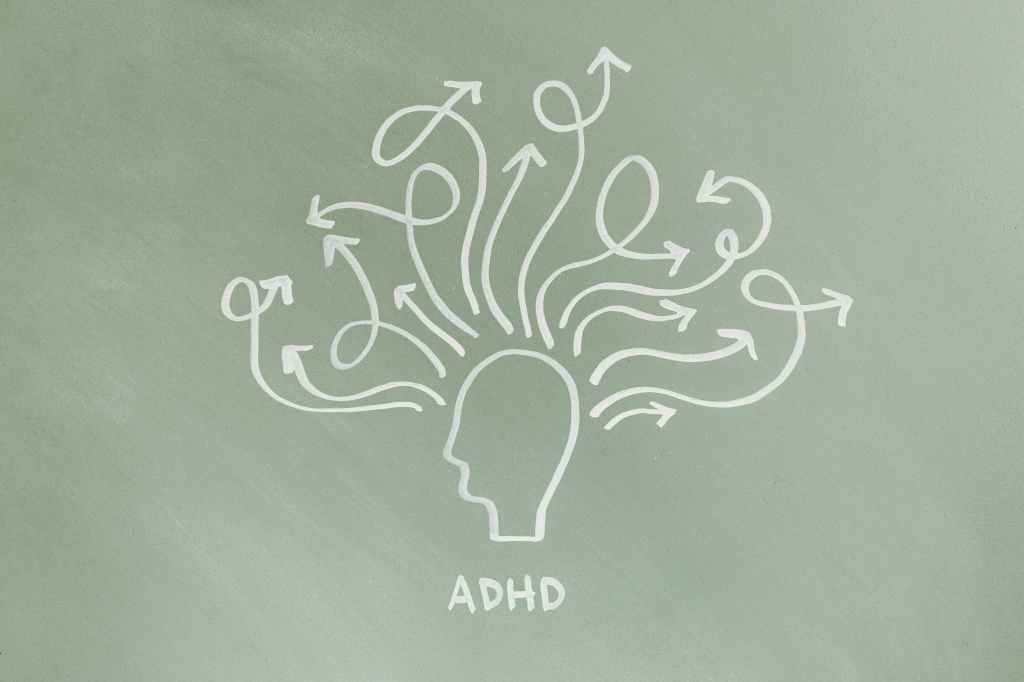
Understanding Attention-Deficit/Hyperactivity Disorder
Lets start with the basics! Because when I was first diagnosed at the age of 23 the (mis)information I had on the subject brought with it a lot of shame. I kind of always knew there was something different about me and remember wishing that I could just be normal like everyone else. Once that difference was labeled as ADHD I felt I then had confirmation that I was broken and there was something “wrong” with me. I now at least knew why I was having such a hard time at life. The more I learned though the more I was able to embrace myself for who I was. Once I gained a better understanding of how ADHD was affecting me. I was able to implement strategies into my life that helped me to become successful! I no longer believe I am broken. Now that you know a little bit about how this knowledge helped me, let’s get to figuring out what is ADHD?
Attention-Deficit/Hyperactivity Disorder, commonly referred to as ADHD, is a neurodevelopmental disorder that affects both children and adults. It is estimated that between 5-7% of children develop ADHD while the prevalence in adults is estimated to be slightly lower at about 2-5%. It is characterized by persistent patterns of inattention, hyperactivity, and impulsivity, which can significantly impact various aspects of an individual’s life, including academic performance, work productivity, and social interactions.
ADHD can be classified into three main subtypes: predominantly inattentive presentation, predominantly hyperactive-impulsive Presentation, and combined presentation. Individuals with the predominantly inattentive subtype struggle primarily with attention and focus. They often have difficulty sustaining attention, organizing tasks, following instructions, and tend to be easily distracted. People with the predominantly hyperactive subtype display heightened levels of hyperactivity and impulsivity. They may find it challenging to sit still, frequently fidget, interrupt others, and act impulsively without considering the consequences. The combined presentation is the most common subtype, and manifests as the individual displaying symptoms from both inattentive and hyperactive/impulsive subtypes. The symptoms of ADHD manifest differently depending on the individual and their age group. Generally, these symptoms persist for at least six months and are more severe than what is typically observed in individuals at a similar developmental stage.
Inattentive symptoms include:
- Struggling to pay attention to details and making careless mistakes.
- Difficulty sustaining focus on tasks or activities, particularly those that are repetitive or less stimulating.
- Being easily distracted by external stimuli.
- Frequently forgetting or losing important items.
- Having difficulty organizing tasks and following through on instructions.
- Avoiding or disliking tasks that require sustained mental effort.
Hyperactivity/impulsivity symptoms include:
- Being in constant motion, unable to remain seated or stay still for extended periods.
- Fidgeting, tapping, or squirming excessively.
- Talking excessively and having difficulty waiting for their turn in conversations.
- Frequently interrupting or intruding on others.
- Impulsively engaging in activities without considering potential consequences.

Causes and Diagnosis:
The exact causes of ADHD are not fully understood, but research suggests a combination of genetic, environmental, and neurological factors contribute to its development.
Genetic factors play a significant role in the development of ADHD. Research indicates that ADHD tends to run in families, with a higher likelihood of having ADHD if a close family member, such as a parent or sibling, has the disorder. Twin and family studies have consistently shown that ADHD has a strong hereditary component, with estimated heritability rates of around 70-80%. Multiple genes are believed to contribute to the risk of developing ADHD, although no single gene has been identified as the sole cause. These genes are involved in regulating neurotransmitters (chemical messengers in the brain), particularly those related to dopamine, which plays a crucial role in attention and impulse control.
Brain imaging studies have identified structural and functional differences in certain brain regions associated with attention, impulse control, and executive functions in individuals with ADHD. These regions include the prefrontal cortex, basal ganglia, and cerebellum. The prefrontal cortex, responsible for executive functions like decision-making and impulse control, tends to be smaller and less active in individuals with ADHD. Additionally, imbalances in neurotransmitters, particularly dopamine and norepinephrine, which regulate attention and arousal, have been observed in individuals with ADHD.
It’s worth noting that the causes of ADHD do not involve factors such as poor parenting, too much screen time, or excessive sugar consumption, as these are common misconceptions that have been disproven by scientific research.
Diagnosing ADHD involves a comprehensive evaluation conducted by healthcare professionals, such as psychiatrists, psychologists, or pediatricians, who assess an individual’s symptoms, medical history, and overall functioning. They may also consider information from parents, teachers, or other relevant sources to establish a diagnosis.

Treatment and Management:
ADHD is a lifelong condition, but with appropriate strategies and support, individuals with ADHD can effectively manage their symptoms and lead fulfilling lives. Treatment approaches typically involve a multi-faceted approach that may include:
- Medication: Stimulant medications like methylphenidate or amphetamines are commonly prescribed to manage symptoms of ADHD. Non-stimulant medications may also be used in some cases.
- Behavioral Interventions: Various behavioral strategies, such as cognitive-behavioral therapy (CBT) and psychoeducation, can help individuals develop coping mechanisms, improve organizational skills, and manage impulsivity.
- Educational Support: Collaborating with educators to implement tailored classroom accommodations, including modified assignments, extra support, and structured routines, can greatly benefit individuals with ADHD.
- Lifestyle Modifications: Engaging in regular physical exercise, maintaining a balanced diet, ensuring sufficient sleep, and practicing stress-reduction techniques like mindfulness can contribute to managing ADHD symptoms.
Understanding the symptoms, causes, and available treatment options is crucial for individuals with ADHD, their families, and the wider community. By providing appropriate support and employing effective strategies, individuals with ADHD can not only learn to manage their symptoms but thrive and reach their full potential as well!
Please note that this blog post serves as a general overview of ADHD and is not intended to replace professional medical advice. If you believe you have ADHD it’s always recommended to consult with healthcare professionals for an accurate diagnosis and personalized treatment plan. Embrace Yourself!





 The DADHD
Leave a reply to Mastering Object Permanence with Games for ADHD – The DADHD Cancel reply