
Section 1: The ADHD Brain and Sugar Cravings
If you’ve ever found yourself raiding the pantry at 2 a.m. for that last piece of chocolate, you’re not alone. For those of us with ADHD, the pull towards sugar can feel like a magnetic force that’s hard to resist. But why is it that our brains seem to crave sweets more than others? Let’s break it down.
The Neurological Basis of ADHD
First, let’s talk brain chemistry. ADHD isn’t just about being hyperactive or having a hard time focusing; it’s about how our brains process rewards. People with ADHD often have lower levels of dopamine, the “feel-good” neurotransmitter that’s responsible for feelings of pleasure and satisfaction. This dopamine deficiency means our brains are constantly searching for a quick fix, something that will give us that much-needed boost.
Enter sugar. When we consume something sweet, our brains get a rapid hit of dopamine. It’s like a mini celebration happening in your head every time you take a bite of that candy bar. Unfortunately, this also means that we’re more likely to reach for sugar when we’re feeling low, tired, or just plain bored.
Why Sugar?
So, why do we gravitate toward sugar specifically? Well, it’s simple: sugar works. It’s fast, it’s effective, and it’s everywhere. For someone with ADHD, whose brain is often running on empty when it comes to dopamine, sugar can feel like a quick and easy solution. But while that sugar rush might give us a temporary boost, it’s often followed by a crash that leaves us feeling even more drained.
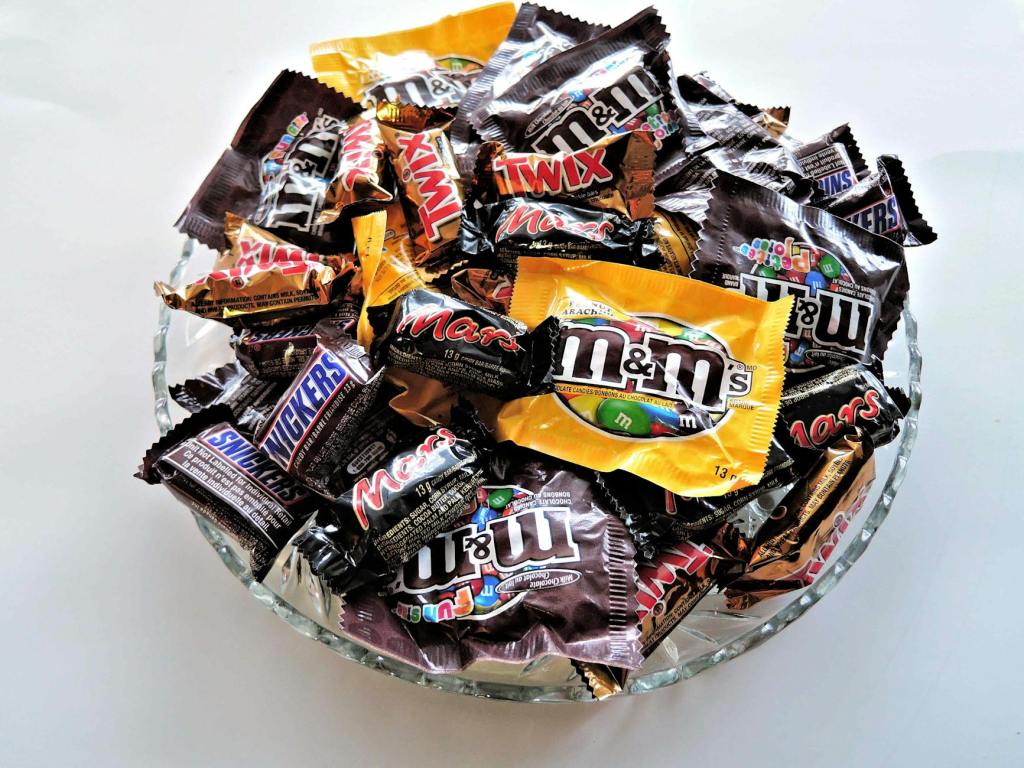
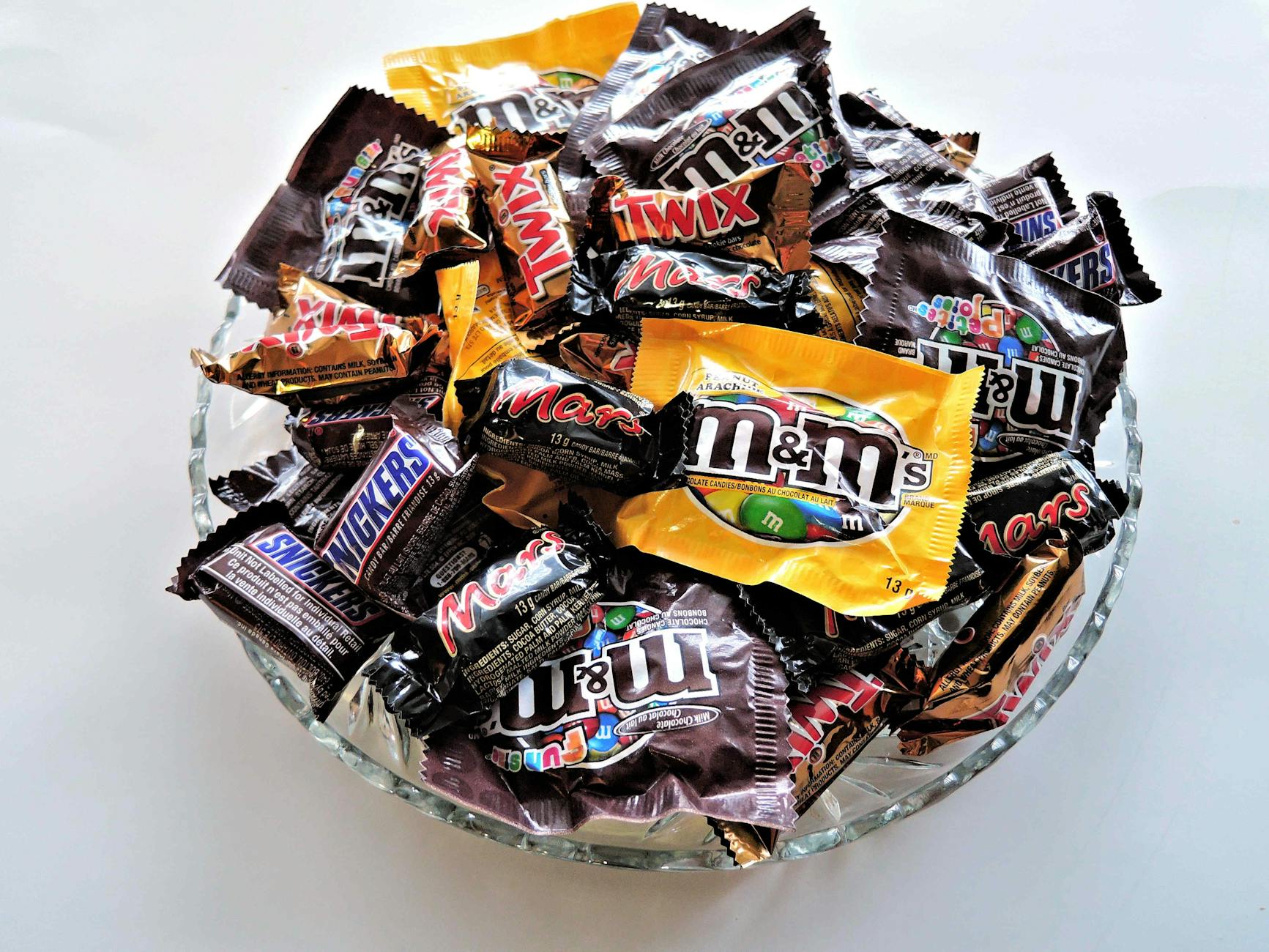
I remember during my own college days—well, the fourth time I attempted them—I relied heavily on a bag of M&Ms to get through study sessions. My reward system was simple: two M&Ms to start, and two more for every page I read. It wasn’t the healthiest habit, but it worked, and I eventually graduated with honors. That’s not to say it was the best strategy, but for my dopamine-deprived brain, it got the job done.
Emotional Regulation
It’s not just about the dopamine hit, though. For many of us with ADHD, sugar can also serve as an emotional crutch. When our brains are overwhelmed or stressed, reaching for something sweet can be a way to self-soothe. It’s a quick way to feel better, even if only for a moment. The problem is, this can quickly turn into a habit that’s hard to break.
Our brains are constantly searching for ways to regulate emotions, and sugar can provide a temporary sense of relief. But, like many quick fixes, it often comes with a downside. That initial rush is usually followed by a drop in energy, mood swings, and the inevitable sugar crash. Not exactly the recipe for long-term success.
In conclusion, our brains love sugar because it gives us what we’re often lacking: dopamine and a sense of comfort. But while it might seem like the perfect solution in the moment, it’s important to recognize the potential pitfalls of relying too heavily on sweets. Understanding this connection is the first step toward finding healthier ways to manage ADHD symptoms—ways that don’t involve a pantry full of candy.
Section 2: Sugar as a Motivating Tool for People with ADHD
Let’s be honest: motivation isn’t exactly the strongest suit for those of us with ADHD. The idea of sitting down to work on something boring when there are a million other interesting things to do? It’s like trying to herd cats. But, as I discovered during my college days, a little bit of sugar can go a long way in keeping that motivation engine running—at least for a while.
Positive Reinforcement: The Sweet Motivation Hack
When you’ve got ADHD, finding the motivation to start—and finish—tasks can feel like climbing Everest. This is where sugar can play a surprisingly helpful role. By using sweets as a reward, you can create a simple but effective system of positive reinforcement. It’s not about eating a whole cake every time you write an email (tempting as that might be), but rather, using small treats to reward progress.
Take my M&M study strategy, for example. I knew that my brain needed something to look forward to, something to keep it engaged with the task at hand. So, I’d pop two M&Ms at the start of my study session, and then reward myself with two more for every page I read. It wasn’t rocket science, but it worked. The promise of a sweet reward kept me going when the material was dry, and the sense of accomplishment (and the sugar) made studying a little less painful.
Short-term Focus Boost: Sugar to the Rescue
Now, let’s talk about the short-term benefits. Sugar isn’t just a motivator; it’s also a quick source of energy. When you eat something sugary, your blood sugar levels rise, providing an almost instant burst of energy. For those of us with ADHD, who often struggle with mental fatigue and focus, this can be a game-changer.
Imagine you’re in the middle of a long, tedious task (like, say, writing an article), and your brain is starting to wander. A small sugary snack can give you the boost you need to power through the next few minutes or hours. It’s like adding a bit of kindling to a campfire—it won’t keep you warm all night, but it’ll get the fire going again.
However, and this is a big however, this approach has its limits. While sugar can help jumpstart your focus, the effects are often short-lived. What goes up must come down, and that sugar rush is usually followed by a crash. So, while a bit of sugar can help in a pinch, it’s not something to rely on too heavily.
Practical Strategies: How to Use Sugar Without Overdoing It
So, how do you use sugar as a motivating tool without letting it become a crutch? It’s all about moderation and timing. Here are a few strategies I’ve found helpful:
- Set Clear Goals: Use sugar as a reward for completing specific tasks. For example, reward yourself with a small treat after finishing a particularly tough assignment, not just for showing up.
- Portion Control: Stick to small amounts of sugar. A handful of M&Ms can be motivating, but a whole bag will leave you feeling sluggish and regretful.
- Pair with Protein: To avoid the dreaded sugar crash, try pairing your sugary treat with a bit of protein. A small piece of dark chocolate with some nuts, for example, can give you a boost without the crash.
- Timing is Everything: Use sugar strategically. If you know you’re going to hit a wall during a long task, save your treat for when you really need that extra push.
In summary, while sugar can be a helpful tool for managing ADHD, it’s important to use it wisely. Like any tool, it’s most effective when used in moderation and with a clear purpose in mind. By setting up a reward system that works for you, you can harness the power of sugar to keep you motivated without letting it take over your life.
Section 3: The Risks of Sugar Addiction in ADHD
While sugar can be a quick and effective tool for motivation, it’s a bit like playing with fire. Sure, it’s warm and useful, but if you’re not careful, you might end up with more than just singed eyebrows. For those of us with ADHD, the line between using sugar as a helpful reward and developing an unhealthy dependency can be dangerously thin. Let’s dive into the risks associated with sugar and why it’s crucial to be mindful of our consumption.
The Downside of Dopamine: The Cycle of Dependency
One of the biggest concerns with using sugar to manage ADHD symptoms is the potential for dependency. Remember that dopamine hit we talked about? It feels good, right? Well, that’s precisely the problem. The more we rely on sugar to get that dopamine boost, the more our brains start to crave it. And the more we crave it, the more we consume it, creating a vicious cycle that’s hard to break.
For people with ADHD, who are already dealing with lower dopamine levels, this cycle can lead to a kind of “sugar addiction.” While it might not be as severe as addiction to substances like drugs or alcohol, it can still have significant impacts on health and well-being. Over time, the brain starts to associate sugar with pleasure and reward, making it harder to resist those cravings. Before you know it, reaching for a sugary snack becomes a habit rather than a conscious choice.
Health Risks: More Than Just a Sweet Tooth
Beyond the psychological aspect, there are very real physical health risks associated with excessive sugar consumption, especially for people with ADHD. Here are a few of the most concerning:
- Obesity and Weight Gain: Sugar is packed with empty calories—energy that provides no nutritional benefit. Consuming too much sugar can lead to weight gain, and with that comes an increased risk of obesity. For individuals with ADHD, who may already struggle with impulse control and emotional eating, this risk is even higher.
- Diabetes: Regularly indulging in sugary treats can increase the risk of developing type 2 diabetes. This chronic condition affects how your body processes blood sugar and can lead to serious complications if not managed properly.
- Dental Problems: Cavities, tooth decay, and gum disease are common issues for anyone who consumes too much sugar. People with ADHD, who might already have trouble sticking to routines like regular brushing and flossing, are particularly vulnerable to these dental woes.
- Heart Disease: Excessive sugar intake has been linked to an increased risk of heart disease. This is partly due to the impact of sugar on weight, but also because of its effects on blood pressure and cholesterol levels.
These are just a few of the health risks that come with overindulging in sugar. It’s important to remember that while sugar might offer a quick fix, the long-term consequences can be far more serious.
Emotional and Behavioral Consequences: The Sugar Rollercoaster
The impact of sugar on the ADHD brain doesn’t stop at physical health. There’s also a significant emotional and behavioral toll. If you’ve ever experienced a sugar crash, you know what I’m talking about. That moment when the initial rush wears off, and suddenly you’re irritable, tired, and just not feeling great.
For someone with ADHD, these sugar highs and lows can be particularly problematic. The initial boost might help with focus or mood in the short term, but the crash can lead to increased irritability, anxiety, and even depression. It can also exacerbate ADHD symptoms, making it harder to concentrate, stay organized, or manage time effectively. This rollercoaster of emotions and energy levels can create a feedback loop where you turn to sugar to feel better, only to end up feeling worse.
Case Studies/Examples: Real-life Experiences
Let’s consider a few real-life scenarios. There’s the college student who started using candy as a study aid—just like I did—but found that over time, they needed more and more to get the same effect. Eventually, they started feeling sluggish and unmotivated without that sugar hit, leading to a cycle of dependency that affected their academic performance and overall health.
Or take the adult with ADHD who used sugary snacks to cope with work stress. At first, it was just an afternoon pick-me-up, but over time, it turned into a habit that led to significant weight gain and pre-diabetes. The emotional toll of these health issues only compounded their ADHD symptoms, creating a negative spiral that was hard to escape.
These examples highlight the slippery slope of using sugar as a crutch. What starts as a harmless way to boost motivation or energy can quickly become a habit that’s difficult to break, with consequences that reach far beyond a sweet tooth.
Section 4: Strategies for Managing Sugar Intake in ADHD
By now, it’s clear that while sugar can be a handy motivator, it’s also a double-edged sword. The good news? With a bit of planning and self-awareness, it’s possible to enjoy the benefits of sugar without letting it take over your life. Here are some practical strategies to help manage sugar intake while keeping ADHD symptoms in check.
Balanced Diet and Nutrition: Fueling Your Brain the Right Way
One of the best ways to manage sugar cravings is by focusing on a balanced diet. When your body is getting the right nutrients, you’re less likely to reach for that candy bar in the first place. Here’s how to do it:
- Prioritize Protein: Protein is your brain’s best friend. It helps stabilize blood sugar levels, reducing the likelihood of those mid-afternoon crashes that make you want to dive into a bag of sweets. Foods like eggs, lean meats, nuts, and legumes are excellent sources of protein and can keep you feeling fuller for longer.
- Incorporate Healthy Fats: Fats aren’t the enemy—in fact, healthy fats can be a crucial part of managing ADHD symptoms. Omega-3 fatty acids, found in fish like salmon and in flaxseeds, are particularly beneficial for brain health.
- Load Up on Fiber: Fiber-rich foods like vegetables, whole grains, and fruits help regulate blood sugar levels and can reduce the intensity of sugar cravings. Plus, they keep your digestive system happy, which is a win-win.
- Stay Hydrated: Sometimes, what feels like a sugar craving is actually just thirst in disguise. Keep a water bottle handy and make sure you’re drinking enough throughout the day to stay hydrated.
By making these dietary adjustments, you can help your body stay balanced and reduce the frequency and intensity of sugar cravings. Plus, a well-nourished brain is better equipped to manage the challenges of ADHD.
Mindful Eating Practices: Listen to Your Body
Mindful eating is all about paying attention to what you’re eating and how it makes you feel. It’s a way to connect with your body’s natural hunger and fullness cues, which can be especially helpful for those of us with ADHD, who might struggle with impulsive eating.
- Slow Down: Take your time when eating. Chew slowly, savor the flavors, and give your body a chance to register that it’s full before reaching for seconds.
- Recognize Emotional Triggers: Be aware of the emotional states that trigger your sugar cravings. Are you reaching for that cookie because you’re hungry, or because you’re stressed or bored? By identifying the root cause of your cravings, you can address the underlying issue instead of relying on sugar.
- Portion Control: Instead of mindlessly snacking from a big bag of candy, portion out a small amount and put the rest away. This way, you can enjoy your treat without going overboard.
- Keep Track: Sometimes, just writing down what you eat can make you more mindful of your choices. You don’t have to be obsessive about it, but keeping a simple food diary can help you spot patterns and make healthier choices.
Mindful eating isn’t about restriction—it’s about awareness. By tuning in to your body’s signals, you can enjoy sweets in moderation without letting them control you.
Alternative Rewards: Finding Non-Sugar Motivation
If you’ve been using sugar as your go-to motivator, it’s time to diversify your reward system. Here are some alternative rewards that can be just as satisfying:
- Physical Activity: Exercise releases endorphins, which are natural mood boosters. Whether it’s a short walk, a quick yoga session, or even just stretching at your desk, physical activity can be a great way to reward yourself.
- Hobbies and Interests: Reward yourself with something you enjoy—like watching an episode of your favorite show, reading a chapter of a book, or spending a few minutes on a hobby. These activities can provide a dopamine boost without the sugar.
- Social Interactions: Sometimes, a chat with a friend or family member can be just as rewarding as a sweet treat. Social connections can help reduce stress and improve mood, making them a great non-sugar alternative.
- Self-Care: Treat yourself to a non-food reward like a relaxing bath, a new book, or even a few minutes of meditation. These small acts of self-care can help you feel good without relying on sugar.
By expanding your reward system beyond sugary snacks, you’ll have more tools in your ADHD management toolbox. Plus, these alternatives often come with additional benefits, like improved health or stronger relationships.
Parental Guidance: Helping Kids with ADHD Manage Sugar
If you’re a parent of a child with ADHD, managing sugar intake can feel like an uphill battle. Here are some tips to help guide your child toward healthier habits:
- Set Clear Boundaries: Establish rules around when and how much sugar is allowed. For example, sweets might be reserved for after dinner or special occasions rather than a daily treat.
- Model Healthy Behavior: Kids are more likely to follow your lead, so try to model the behavior you want to see. If they see you reaching for a healthy snack instead of a candy bar, they’re more likely to do the same.
- Offer Healthy Alternatives: Keep plenty of healthy snacks on hand, like fruits, yogurt, or whole-grain crackers. If healthier options are readily available, your child might not even miss the sugary stuff.
- Teach Mindful Eating: Encourage your child to pay attention to how food makes them feel. This can help them recognize when they’re full and when they’re eating out of boredom or emotion.
- Encourage Non-Food Rewards: Help your child find other ways to feel rewarded or motivated, like earning extra screen time, getting to choose a family activity, or enjoying a special outing.
By guiding your child toward healthier habits, you’re not just helping them manage their ADHD—you’re setting them up for a lifetime of better health.
Conclusion
Living with ADHD can feel like a never-ending search for balance—especially when it comes to managing cravings for sugar. While sweets can offer a quick boost of motivation and energy, they also come with potential pitfalls, from dependency to serious health risks. It’s a tricky relationship, but one that can be managed with the right strategies.
Through trial and error, I’ve learned that a balanced approach is key. Using sugar as a tool rather than a crutch can be effective, but it’s important to pair it with healthier habits like a nutritious diet, mindful eating, and non-food rewards. These practices help to keep both your brain and body in check, allowing you to harness the benefits of sugar without falling into its traps.
For those of us with ADHD, understanding how our brains work—and why they sometimes demand that candy bar—is the first step toward finding healthier ways to stay motivated and focused. It’s all about finding what works for you, and, importantly, being kind to yourself in the process.
Remember, a little sweetness can go a long way, but it’s the balance that truly makes the difference. By implementing these strategies, you can enjoy the occasional treat without letting it derail your progress. After all, life’s too short not to savor the sweetness—just make sure it’s on your own terms. And remember to Embrace Yourself!



 The DADHD
Leave a comment