


Welcome to TheDADHD.com, your go-to resource for navigating life with ADHD (Attention Deficit Hyperactivity Disorder). If you’re like me, you’ve probably found yourself juggling more tasks than a circus performer on a unicycle, with the constant fear of dropping the ball. But fear not, fellow neurodivergent warriors, because today we’re diving fork-first into the delicious world of ADHD-friendly nutrition.
Before we get into the nitty-gritty of which foods to dodge like a pro dodgeball player, let’s take a quick pit stop to understand the quirky brain chemistry behind ADHD. Imagine trying to focus on a task, but your brain is like a toddler hopped up on sugar at a birthday party – bouncing off the walls with energy and easily distracted by shiny objects. That’s essentially the daily grind for those of us with ADHD.
Now, rewind to my own personal journey with ADHD. Diagnosed at the ripe old age of 23 after a college experience that resembled a rollercoaster ride with too many loop-de-loops, I know firsthand the struggles and triumphs of living with this condition. But armed with determination and a stubborn refusal to let ADHD dictate my destiny, I embarked on a quest to uncover the secrets of success.
Through trial and error – emphasis on the error part – I discovered the power of holistic approaches like meditation, exercise, and a deep understanding of my brain’s unique wiring. Armed with this knowledge, I not only graduated with honors from a tier 1 university but also found my passion for helping others navigate the choppy waters of ADHD.
Now, let’s fast forward to the present moment. As the captain of TheDADHD.com, I’ve made it my mission to share the wisdom I’ve gleaned from my own experiences and expertise. And what better place to start than with the cornerstone of good health: nutrition.
You see, food isn’t just fuel for our bodies; it’s also the building blocks for a well-functioning brain. And when you’re dealing with a brain that’s more easily distracted than a puppy in a room full of squeaky toys, every bite counts.
So, grab a seat and prepare to feast your eyes on the top five foods to avoid if you want to tame the ADHD beast lurking within. From processed sugars to caffeine-packed energy drinks, we’ll shine a spotlight on the culprits wreaking havoc on your focus and mental clarity.
1. Processed Sugars and Artificial Sweeteners
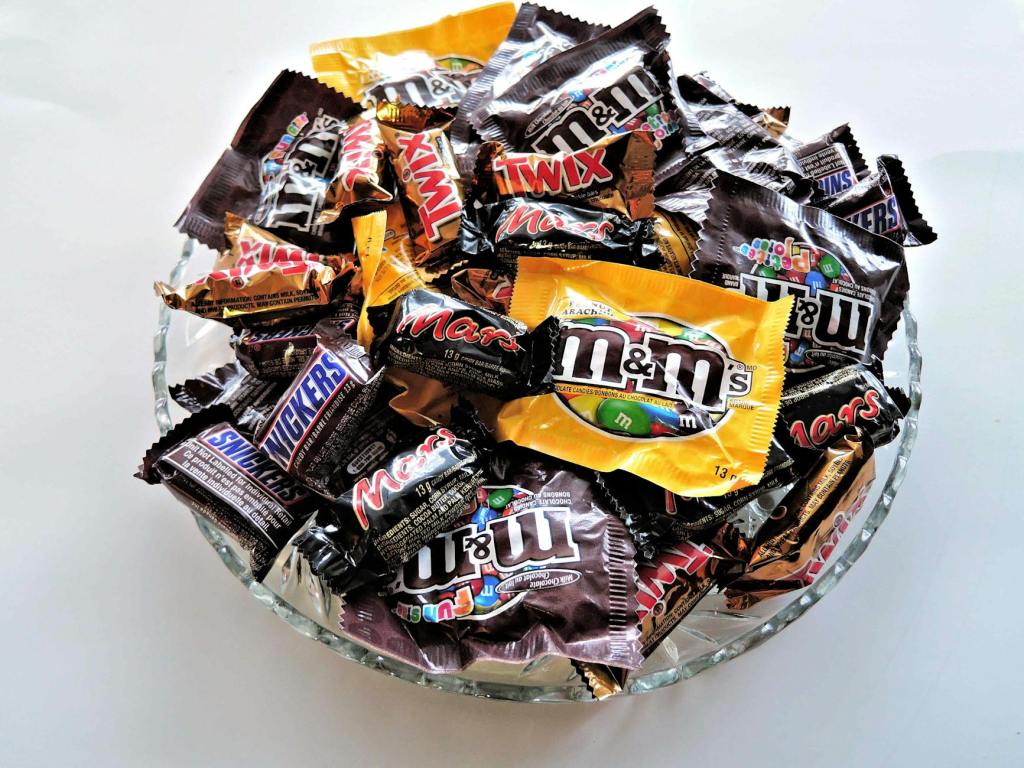
Now that we’ve laid the groundwork, it’s time to tackle our first dietary foe: processed sugars and artificial sweeteners. These sneaky little devils can wreak havoc on our ADHD brains faster than you can say “sugar rush.”
So, what’s the deal with sugar and ADHD? Well, it turns out that consuming large amounts of processed sugars can lead to rapid spikes and crashes in blood sugar levels. And when your blood sugar is on a rollercoaster ride, so is your ability to focus and stay on task.
But wait, it gets worse. Many of the foods marketed as “sugar-free” or “diet-friendly” are loaded with artificial sweeteners like aspartame, saccharin, and sucralose. While these sugar substitutes may seem like a healthier option, research suggests that they can have just as detrimental effects on ADHD symptoms.
Studies have shown that artificial sweeteners can disrupt neurotransmitter function in the brain, leading to increased hyperactivity and impulsivity – not exactly the recipe for success when you’re trying to stay focused and organized.
So, what’s a sugar-loving ADHDer to do? Fear not, my friends, for there are plenty of delicious alternatives to satisfy your sweet tooth without sending your brain into a tailspin.
Opt for natural sweeteners like honey, maple syrup, or stevia, which provide a sweet taste without the negative effects of processed sugars and artificial sweeteners. And when it comes to packaged foods, always read the ingredient labels carefully to avoid hidden sources of sugar and artificial additives.
By cutting back on processed sugars and artificial sweeteners, you’ll not only support better brain health but also take a giant leap towards managing your ADHD symptoms more effectively. So, say goodbye to sugar-induced brain fog and hello to clarity and focus – one sweet swap at a time.
2. Artificial Food Dyes and Preservatives
As we navigate the maze of ADHD-friendly nutrition, our next pitfall to avoid is artificial food dyes and preservatives. These sneaky additives lurk in many processed foods, ready to wreak havoc on our already delicate neurochemistry.
Research has suggested a potential link between artificial food dyes and ADHD symptoms, with some studies indicating that certain dyes may exacerbate hyperactivity and impulsivity in individuals with ADHD. While the exact mechanism behind this connection is still being studied, it’s clear that steering clear of these colorful culprits is a wise move for anyone looking to manage their ADHD symptoms more effectively.
But where do these artificial additives hide, you ask? Well, you might be surprised to learn that they’re lurking in some of the most seemingly innocent foods – from brightly colored candies and cereals to fruity beverages and even some packaged fruits and vegetables. For example, fruit-flavored snacks, brightly colored breakfast cereals (think Froot Loops), and some fruit juices often contain artificial dyes to enhance their visual appeal.
So, what’s a savvy shopper to do? Arm yourself with knowledge and become a label detective. When perusing the grocery aisles, keep an eye out for common artificial food dyes like Red 40, Yellow 5, and Blue 1, as well as preservatives like BHA and BHT.
But don’t worry, you don’t have to swear off colorful foods altogether. Instead, opt for naturally vibrant fruits and vegetables to add a pop of color to your plate – think strawberries, blueberries, bell peppers, and leafy greens. Not only are these foods free from artificial additives, but they also pack a nutritional punch that can help support better brain health and cognitive function.
By avoiding artificial food dyes and preservatives, you’ll not only reduce your exposure to potential ADHD triggers but also support overall health and well-being. So, say goodbye to neon-colored snacks and hello to a rainbow of naturally delicious foods that nourish both body and mind.
3. High-Sodium Foods
As we continue our exploration of ADHD-friendly nutrition, it’s time to shine a spotlight on another dietary villain: high-sodium foods. While sodium is an essential mineral that plays a crucial role in maintaining fluid balance and nerve function in the body, too much of it can spell trouble for individuals with ADHD.
So, why should you be wary of sodium if you have ADHD? Well, it turns out that excessive sodium intake can exacerbate ADHD symptoms, including increased hyperactivity and impulsivity. And with the average American consuming far more sodium than the recommended daily limit, it’s no wonder that many of us with ADHD find ourselves feeling like we’re constantly running on overdrive.
But where does all this excess sodium come from? Brace yourself, because you might be surprised to learn that it’s hiding in some unlikely places. From canned soups and processed meats to savory snacks and even seemingly healthy convenience foods, sodium lurks in many of the foods we eat on a daily basis.
For example, certain brands of canned soups and instant noodles can contain sky-high levels of sodium, while deli meats and packaged snacks like chips and pretzels are notorious for their sodium content. Even seemingly innocent condiments like soy sauce and salad dressings can be sneaky sources of sodium.
But fear not – there are plenty of ways to slash your sodium intake without sacrificing flavor. Opt for fresh or minimally processed foods whenever possible, and flavor your meals with herbs, spices, and citrus zest instead of reaching for the salt shaker.
Additionally, read nutrition labels carefully and choose low-sodium or sodium-free versions of your favorite foods whenever available. And don’t forget to stay hydrated by drinking plenty of water throughout the day, as proper hydration can help flush excess sodium from your system and support better brain function.
By reducing your sodium intake, you’ll not only improve your overall health but also take a giant leap towards managing your ADHD symptoms more effectively. So, say goodbye to the salty snacks and hello to a calmer, more focused mind – one low-sodium meal at a time.
4. Processed Foods With Trans Fats
As we venture further into the realm of ADHD-friendly nutrition, our next stop is processed foods with trans fats. These sneaky fats not only wreak havoc on our cardiovascular health but can also have detrimental effects on our cognitive function and mood regulation, making them a double whammy for individuals with ADHD.
But what exactly are trans fats, and why should you be wary of them? Trans fats are a type of unsaturated fat that are created through a process called hydrogenation, which turns liquid oils into solid fats. While small amounts of naturally occurring trans fats can be found in some animal products, the majority of trans fats in the modern diet come from industrially produced sources.
Research has shown that consuming trans fats can impair cognitive function and increase inflammation in the brain, both of which can exacerbate ADHD symptoms. Additionally, trans fats have been linked to an increased risk of heart disease, diabetes, and other chronic health conditions – not exactly the ingredients for a recipe for success.
So, where do trans fats hide, you ask? Brace yourself, because they’re lurking in some of the most beloved processed foods – from fried fast foods and packaged snacks to baked goods and margarine. Certain brands of cookies, crackers, and microwave popcorn can contain alarming levels of trans fats, as can many frozen meals and convenience foods.
But fear not, my fellow health-conscious readers – there are plenty of ways to steer clear of trans fats and support better brain health. Opt for whole, unprocessed foods whenever possible, and choose healthy fats like olive oil, avocado, and nuts to fuel your body and mind.
When shopping for packaged foods, read ingredient labels carefully and avoid products that list partially hydrogenated oils or hydrogenated fats – these are just sneaky euphemisms for trans fats. Instead, reach for snacks and spreads made with natural, minimally processed ingredients.
By cutting back on processed foods with trans fats, you’ll not only protect your cardiovascular health but also support better cognitive function and mood regulation. So, say goodbye to the trans fat-laden snacks and hello to a brighter, more focused future – one wholesome bite at a time.
5. Caffeine and Energy Drinks
For those of us with ADHD there are usually two types; those of us whom caffeine puts to sleep and those of us whose very survival depends on it. While caffeine is often touted as a quick fix for sluggishness and fatigue, its effects on individuals with ADHD can be complex and unpredictable.
So, what’s the deal with caffeine and ADHD? Well, it turns out that caffeine acts as a stimulant on the central nervous system, temporarily increasing alertness and concentration. For some individuals with ADHD, caffeine can provide a much-needed boost in focus and energy, helping to improve productivity and task performance. The effects are often short lived though and can lead to dependance.
For others, caffeine can exacerbate ADHD symptoms, leading to increased restlessness, irritability, and difficulty sleeping. Additionally, caffeine withdrawal symptoms – including headaches, fatigue, and mood swings – can be particularly challenging for individuals with ADHD to navigate.
It’s also important to note that many ADHD medications contain powerful stimulants and combining them with caffeine can be dangerous and exacerbate unwanted side effects of both. If you are on stimulant medication or thinking of taking it be sure to talk with your doctor about potential risks.
But where does caffeine hide, you ask? Well, you might be surprised to learn that it’s not just lurking in your morning cup of coffee or tea. Energy drinks, sodas, and even some medications and supplements can contain significant amounts of caffeine, making it easy to inadvertently consume more than you bargained for.
So, what’s a caffeine-loving ADHDer to do? As with many things in life, moderation is key. If you find that caffeine helps improve your focus and concentration, enjoy it in moderation and be mindful of your intake. However, if you notice that caffeine exacerbates your ADHD symptoms or interferes with your sleep, it may be worth cutting back or eliminating it from your diet altogether.
But you need not dread kicking the caffeine, there are plenty of caffeine-free ways to boost your energy levels and stay focused throughout the day. Regular exercise, adequate sleep, and a balanced diet rich in whole foods can all help support better energy levels and cognitive function without relying on caffeine as a crutch. For more dietary advice on boosting your brain natural check out my article HERE.
By being mindful of your caffeine intake and listening to your body’s cues, you can find a balance that works for you and supports better focus and management of your ADHD symptoms. So, bid farewell to the caffeine jitters and hello to a calmer, more balanced approach to energy and focus
Conclusion
As we reach the end of our journey through the world of ADHD-friendly nutrition, it’s time to reflect on the valuable insights we’ve gained and the steps we can take to support better focus and management of our ADHD symptoms.
Throughout this exploration, we’ve uncovered the top five foods to avoid for individuals with ADHD: processed sugars and artificial sweeteners, artificial food dyes and preservatives, high-sodium foods, processed foods with trans fats, and caffeine and energy drinks. By steering clear of these dietary culprits and opting for whole, nutrient-rich foods instead, we can take a giant leap towards better brain health and cognitive function.
But our journey doesn’t end here – far from it. Armed with the knowledge and strategies we’ve acquired, we’re better equipped than ever to navigate the challenges of living with ADHD and thrive in spite of them. From mindful eating to incorporating holistic approaches like meditation, exercise, and adequate sleep into our daily routines, we have the power to reclaim control over our brains and live our best lives – ADHD and all.
So, as we bid farewell to this chapter in our journey, let’s carry forward the lessons we’ve learned and continue to explore new ways to support our well-being. Whether it’s experimenting with new recipes, incorporating more physical activity into our day, or seeking support from healthcare professionals and fellow neurodivergent individuals, let’s remember that we’re not alone on this journey.
Together, we can create a community of support, understanding, and empowerment for individuals with ADHD and neurodivergent individuals everywhere. So, let’s raise a fork to the power of nutrition, mindfulness, and self-care in managing ADHD and living our best lives – one bite at a time.
Thank you for joining us on this journey, and here’s to a brighter, more focused future ahead. Until next time, stay well, stay mindful, and keep forging ahead on your path to success – ADHD and all.



 The DADHD
Leave a comment